
- Installed in 4 hours.
- One-year warranty.
- Free delivery
Get a Quote Below
Get your Clusia quote by text
Installed Clusia on Sale
BEFORE
AFTER
BEFORE
AFTER
Every Yard Is Different.
Get an Honest Assessment.
Before you buy, send us a photo of your space. In 13 years and 1,000+ installs across South Florida, we’ve seen every condition and we’ll tell you exactly what to expect for your yard, not a generic one.
- Recommended spacing for your yard
- Sun & shade exposure
- Soil conditions

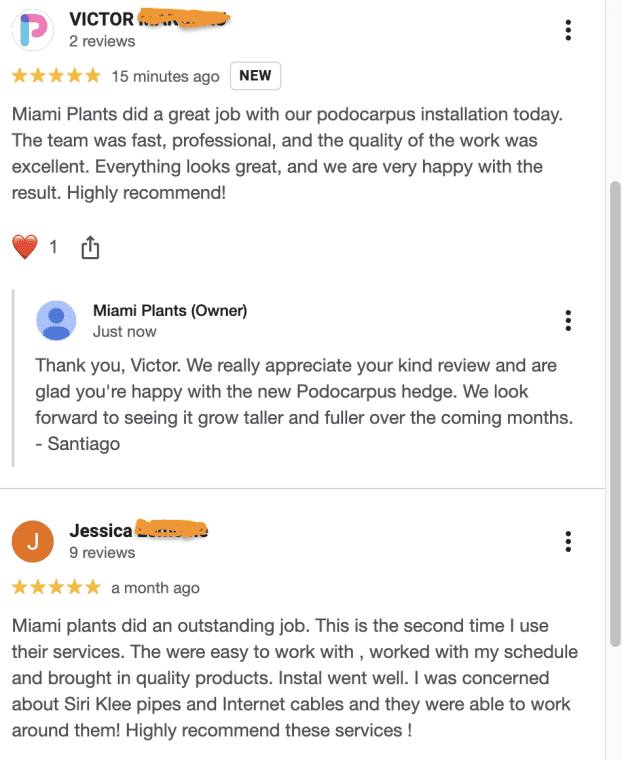
Posted on GoogleTrustindex verifies that the original source of the review is Google. Miami Plants did a great job with our podocarpus installation today. The team was fast, professional, and the quality of the work was excellent. Everything looks great, and we are very happy with the result. Highly recommend!Posted on GoogleTrustindex verifies that the original source of the review is Google. Miami plants did an outstanding job. This is the second time I use their services. The were easy to work with , worked with my schedule and brought in quality products. Instal went well. I was concerned about Siri Klee pipes and Internet cables and they were able to work around them! Highly recommend these services !Posted on GoogleTrustindex verifies that the original source of the review is Google. Used this company twice to complete backyard Clusia surrounds and both time they handled the job like champs. Hard workers not afraid to get the job done and well done. Highly recommended.Posted on GoogleTrustindex verifies that the original source of the review is Google. What a nice place to find the dificult to find fruit trees in Miami, from all around the worldPosted on GoogleTrustindex verifies that the original source of the review is Google. Santiago was a pleasure to work with. Highly professional, reliable, and reasonably priced. I’d highly recommend hiring Miami Plants for your next project.Posted on GoogleTrustindex verifies that the original source of the review is Google. Santiago’s crew installed our hedge yesterday. Crew came on time and completed the job within a day. They did a great job and I am quite impressed. Hedge looks beautiful. Santiago provided clear and detailed information when I first called him. His estimate was reasonable. I am very glad I found Miami Plants and glad I selected them to complete my project. I would highly recommend Miami Plants if anyone is looking to install hedge.Posted on GoogleTrustindex verifies that the original source of the review is Google. Their team did a great job and were very nice. Left everything clean and the plants look really great. Highly recommendPosted on GoogleTrustindex verifies that the original source of the review is Google. Removed a very tough sea grape and installed 32 15 Gal. Clusias. Very professional and did exceptional work. Will definitely recommend/use in the future. UPDATE: Santiago and his crew completed additional work at my house and I can’t say enough good things about working with this contractor. Communicated effectively, showed up on time, treated my property very well and removed and installed more very healthy clusias. You get what you pay for and he is the best in the business. Couldn’t recommend him enough.Posted on GoogleTrustindex verifies that the original source of the review is Google. We recently wanted to add some plants to our backyard for privacy. We decided to go with Miami Plants and had a great experience. Santiago , Oscar and team were very friendly , professional and they did quality work. The price was reasonable and they completed the project quickly. We would highly recommend this company.Posted on GoogleTrustindex verifies that the original source of the review is Google. We had a very good experience with Miami Plants. We are thrilled to say we received the same customer service that previous reviews from customers have posted. Santiago, the owner, was very helpful in getting us started with resources and answering all the questions we had. Very refreshing to have the level of customer service he provided. From planning to installation it went smoothly and pretty quickly. We are happy with the Clusia hedges and palm trees installed. Oscar and his crew, who came to do the work, are VERY hard working men who were also professional in the process and customer support they gave to us. They got our installation done in a very timely manner. With attention to detail and ease to work with, they worked efficiently and left everything looking seamless and clean.
Get Prices and Answers in 5 Minutes or Less
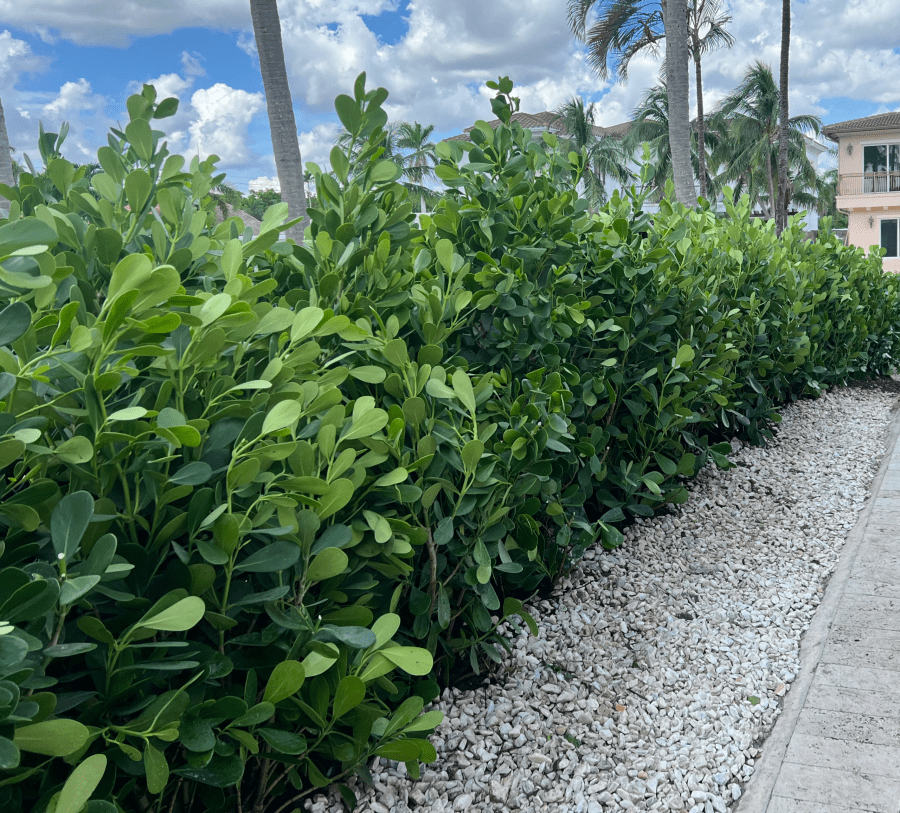
Enjoy your backyard now with tall Clusia Hedges
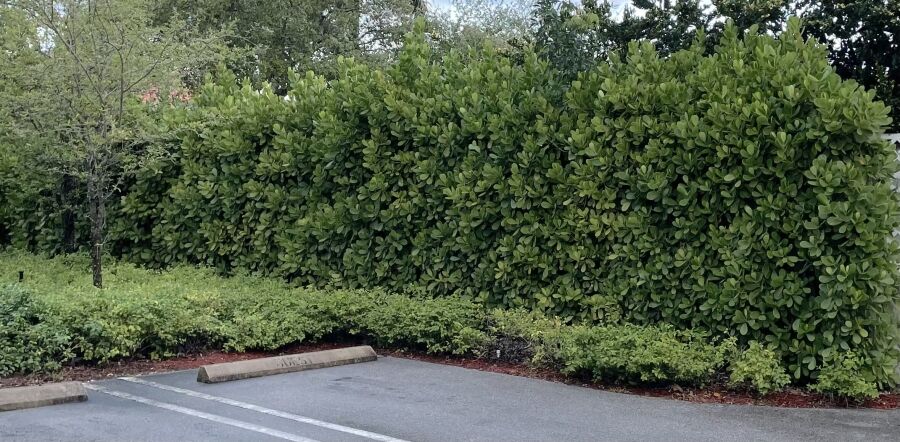
Transform your outdoor space with Clusia hedge plants, the ideal solution for creating lush privacy. Discover tips and expert advice in our ultimate guide.
Benefits of Using Clusia for Privacy Hedges
Clusia (Clusia guttifera), also known as small-leaf Clusia, is one of the most popular privacy hedges in South Florida. Its thick, leathery leaves grow tightly together, forming a dense wall that blocks visibility and reduces noise from neighbors and traffic.
Clusia is great for South Florida conditions. It tolerates salt, drought, and sandy or alkaline soils with minimal maintenance — making it a dependable choice for both coastal and inland properties across South Florida.
It grows fast — averaging around 2 ft per year, making it one of the quicker-growing privacy hedges in South Florida. It stays green year-round and holds its shape well between trims. Available in heights from 4 to 12 ft, we serve Miami-Dade, Broward, and Palm Beach.
Ideal Growing Conditions for Clusia Plants
To achieve the best results with Clusia hedge plants, it’s important to understand their ideal growing conditions. Clusia plants thrive in USDA hardiness zones 10 to 11, where temperatures are warm and frost is rare. These tropical plants prefer full sun to partial shade, making them versatile in terms of planting locations. However, for optimal growth, it’s advisable to plant them in a spot that receives at least six hours of direct sunlight each day.
When it comes to soil requirements, Clusia plants are quite adaptable. They can grow in a variety of soil types, including sandy, loamy, and even clay soils, as long as the soil is well-draining. Poorly drained soil can lead to root rot, which is detrimental to the health of the plant. To improve drainage, consider adding organic matter or sand to the soil before planting. Additionally, maintaining a slightly acidic to neutral soil pH, ranging from 6.0 to 7.5, can further enhance growth and vitality.
Watering is another crucial aspect of caring for Clusia hedge plants. While they are relatively drought-tolerant once established, regular watering is essential during the initial planting stage. Keep the soil consistently moist but not waterlogged, and reduce watering frequency as the plants mature. Mulching around the base of the plants can help retain soil moisture and regulate temperature, promoting healthier growth. With the right combination of sunlight, soil, and watering practices, Clusia plants can thrive and create a lush, green privacy hedge.
How to Plant and Care for Clusia Hedges
Planting Clusia hedge plants is a straightforward process, but it requires careful planning to ensure their successful establishment. Start by selecting healthy, well-rooted plants from a reputable nursery. When choosing the planting site, ensure it has good sunlight exposure and well-drained soil. Space the plants about 3 to 5 feet apart, depending on the desired density of the hedge. Dig holes that are twice as wide and just as deep as the root ball of each plant, loosening the soil at the bottom to encourage root growth.
Once the Clusia plants are in the ground, backfill the holes with soil, pressing it down gently to eliminate air pockets. Water the plants thoroughly to settle the soil and provide initial hydration. Adding a layer of mulch around the base of the plants can help retain moisture and suppress weed growth. During the first few weeks, water the plants regularly to keep the soil consistently moist. As the plants establish, gradually reduce the frequency of watering, allowing the soil to dry out slightly between waterings.
Caring for Clusia hedge plants involves regular maintenance to keep them healthy and vibrant. Fertilize the plants with a balanced, slow-release fertilizer in the spring and mid-summer to promote growth. Monitor the plants for signs of pests or diseases and take prompt action if any issues arise. Pruning is essential to maintain the desired shape and density of the hedge. Regularly trim the plants to encourage bushier growth and remove any dead or damaged branches. With proper planting and care, Clusia hedges can thrive and provide long-lasting privacy and beauty to your garden.
Common Pests and Diseases Affecting Clusia
Like any plant, Clusia hedge plants can be susceptible to certain pests and diseases. One of the most common pests affecting Clusia is the scale insect. These small, sap-sucking insects attach themselves to the plant’s stems and leaves, causing yellowing and weakening of the foliage. To manage scale infestations, regularly inspect your plants and remove any affected parts. Using horticultural oils or insecticidal soaps can also help control the population of scale insects without harming beneficial insects.
Another pest that can pose a threat to Clusia plants is the mealybug. These pests are characterized by their white, cottony appearance and can cause significant damage by feeding on the plant’s sap. Mealybugs can lead to stunted growth and the development of sooty mold on the leaves. To combat mealybugs, remove any affected parts of the plant and use insecticidal soap or neem oil. Regular monitoring and early intervention are key to preventing severe infestations.
In terms of diseases, Clusia plants are relatively hardy but can still fall victim to root rot if planted in poorly drained soil. Root rot is caused by fungal pathogens that thrive in waterlogged conditions, leading to wilting, yellowing, and eventual death of the plant. To prevent root rot, ensure that your Clusia plants are planted in well-draining soil and avoid overwatering. If root rot is detected, remove the affected plants and improve soil drainage before replanting. By staying vigilant and addressing issues promptly, you can keep your Clusia hedge healthy and thriving.
Pruning Techniques for a Healthy Clusia Hedge
Pruning is an essential aspect of maintaining a healthy and attractive Clusia hedge. Regular pruning not only helps to shape the hedge but also promotes vigorous growth and prevents the spread of diseases. The best time to prune Clusia plants is during the growing season, typically in the spring and summer. Use sharp, clean pruning shears to make precise cuts and avoid damaging the plant.
Start by removing any dead, damaged, or diseased branches. This helps to improve air circulation and reduce the risk of infections. Next, trim back any overly long or unruly branches to maintain the desired shape and size of the hedge. When pruning, make cuts just above a leaf node or bud to encourage new growth. It’s important to avoid cutting too close to the node, as this can damage the plant and hinder its ability to regenerate.
To encourage a denser, bushier growth, consider performing a light pruning throughout the growing season. This involves removing the tips of the branches, which stimulates the plant to produce more lateral shoots. Regular light pruning can help maintain the hedge’s shape and prevent it from becoming too leggy. Remember to clean your pruning tools after each use to prevent the spread of diseases. With proper pruning techniques, your Clusia hedge will remain healthy, lush, and well-maintained.
Clusia Varieties: Choosing the Right One for Your Landscape
Clusia hedge plants come in several varieties, each with its own unique characteristics. Choosing the right variety for your landscape depends on your specific needs and aesthetic preferences. One of the most popular varieties is Clusia rosea, also known as the Pitch Apple or Autograph Tree. This variety is known for its large, glossy leaves and robust growth, making it an excellent choice for creating dense privacy hedges. Clusia rosea can grow up to 25 feet tall, providing substantial coverage and privacy.
Another commonly used variety is Clusia guttifera, also known as the Small Leaf Clusia or Dwarf Clusia. This variety is more compact, with smaller leaves and a slower growth rate compared to Clusia rosea. Clusia guttifera is ideal for smaller gardens or areas where a lower hedge is desired. It typically grows to a height of 6 to 10 feet, making it easier to manage and maintain. Despite its smaller size, Clusia guttifera still offers excellent privacy and a lush, green appearance.
For those looking to add a touch of color to their landscape, Clusia lanceolata is a great option. This variety, also known as the Lance Leaf Clusia, features long, narrow leaves with a distinctive reddish hue. Clusia lanceolata can add visual interest and contrast to your garden while still providing the privacy and coverage you need. When selecting a Clusia variety, consider factors such as the size of your garden, the desired height of the hedge, and the overall look you want to achieve. Each variety offers unique benefits, allowing you to create a customized privacy hedge that enhances your outdoor space.
Clusia vs. Other Popular Privacy Hedges
When it comes to choosing the best plants for privacy hedges, Clusia stands out for its unique combination of benefits. However, it’s worth comparing Clusia to other popular privacy hedge options to see how it measures up. One commonly used plant for privacy hedges is the Ficus benjamina, also known as the Weeping Fig. Ficus benjamina grows quickly and forms a dense hedge, but it can be invasive and requires frequent pruning to keep it from becoming unruly. Additionally, Ficus is more susceptible to pests and diseases, making it higher maintenance compared to Clusia.
Another popular choice for privacy hedges is the Thuja, or Arborvitae. Thuja plants are known for their tall, narrow growth habit and evergreen foliage, making them excellent for creating high, formal hedges. However, they require well-drained soil and can be prone to browning if not properly cared for. In contrast, Clusia plants are more adaptable to different soil types and environmental conditions, making them easier to maintain. Clusia’s broad leaves also provide a more tropical and lush appearance compared to the needle-like foliage of Thuja.
Bamboo is another option often considered for privacy screens. Bamboo grows rapidly and can create a dense, tall barrier in a short amount of time. However, bamboo can be extremely invasive, spreading quickly and becoming difficult to control. Clusia, on the other hand, grows at a more moderate pace and does not have invasive roots, making it a more manageable option. Additionally, Clusia’s thick, leathery leaves offer better noise reduction compared to the narrow leaves of bamboo. Overall, Clusia hedge plants provide a balanced combination of aesthetics, ease of care, and effective privacy, making them a superior choice for many gardeners.
Landscaping Ideas Incorporating Clusia Hedges
Clusia hedge plants are incredibly versatile and can be incorporated into a variety of landscaping designs to enhance the beauty and functionality of your outdoor space. One popular idea is to use Clusia hedges as a natural fence around the perimeter of your property. This not only provides privacy but also creates a green, living barrier that blends seamlessly with the surrounding environment. Pairing Clusia hedges with flowering plants or ornamental grasses can add color and texture, creating a visually appealing border.
Another creative way to use Clusia hedges is to create garden rooms or secluded areas within your yard. By strategically planting Clusia hedges, you can define different spaces for relaxation, dining, or entertaining. For example, you could create a private seating area surrounded by Clusia hedges, providing a peaceful retreat where you can enjoy the outdoors without feeling exposed. Adding pathways, garden art, and outdoor furniture can further enhance these intimate spaces, making them inviting and functional.
Clusia hedges can also be used to frame and highlight specific features in your garden, such as water features, sculptures, or garden beds. The dense foliage of Clusia plants provides a lush backdrop that draws attention to these focal points, creating a sense of depth and interest. Additionally, Clusia hedges can be shaped into topiaries or used to create formal garden designs, adding a touch of elegance and sophistication. Whether you prefer a natural, informal look or a more structured design, Clusia hedges offer endless possibilities for transforming your landscape into a beautiful and private oasis.
Conclusion: Achieving Lush Privacy with Clusia Plants
Incorporating Clusia hedge plants into your landscape is a surefire way to achieve lush privacy and enhance the beauty of your outdoor space. Their dense foliage, adaptability to various soil types, and resilience to environmental conditions make them an ideal choice for creating effective privacy screens. Whether you opt for the robust Clusia rosea, the compact Clusia guttifera, or the visually striking Clusia lanceolata, each variety offers unique benefits that cater to different landscaping needs.
By understanding the ideal growing conditions and providing proper care, you can ensure that your Clusia hedge remains healthy and vibrant. Regular pruning, timely pest and disease management, and appropriate watering practices are essential to maintaining the lush appearance of your hedge. Additionally, exploring creative landscaping ideas can help you make the most of your Clusia plants, transforming your garden into a private, serene retreat.
Ultimately, Clusia hedge plants offer a perfect balance of functionality and aesthetics, making them a superior choice for anyone looking to enhance their outdoor space with lush privacy. Whether you are seeking to create a quiet sanctuary, define garden spaces, or simply add a touch of greenery to your property, Clusia hedges provide a versatile and beautiful solution. With proper care and thoughtful design, you can enjoy the benefits of Clusia hedge plants for years to come, creating a green, tranquil, and private oasis in your own backyard.